

Can I get a mortgage from a US lender for a home in Mexico? A guide for U.S. and Canadian buyers
A practical financing and ownership guide for buyers whose income, credit history or primary residence is in the United States or Canada.
Quick insight: Credit, immigration, tax and real-estate rules can vary by institution, state and transaction. Verify the final structure with the relevant lender, notary, attorney and tax adviser before committing funds.
Can I get a mortgage from a US lender for a home in Mexico? Yes, financing is possible, but the structure is usually different from the mortgage you would use to buy a home in the United States or Canada. A conventional domestic lender may not place a standard mortgage on Mexican property, yet foreign buyers can explore cross-border lenders, a Mexican bank, developer financing, seller financing, private lending, or home equity from an existing property. The best route depends on your income, residency, down payment, currency preference, the type of property and where in Mexico you plan to buy. This guide explains the main financing options, legal steps and questions to ask before making a purchase.

Can I get a mortgage from a US lender for a home in Mexico? What cross-border financing really means
A cross-border mortgage is designed for a buyer whose financial life is primarily outside Mexico while the real estate being purchased is in Mexico. That distinction matters. Some border lenders and specialist providers can underwrite U.S. or Canadian income, review a foreign credit profile and make a loan secured through a Mexican legal structure. Others may lend in USD, while a Mexican bank mortgage is typically structured under Mexican banking rules and may be denominated in Mexican pesos. Examples in the market include Global Mortgage and other lenders with international lending experience. Frank Ruiz Realty Group also describes cross-border programs for US citizens and Canadian buyers. These sources are useful for understanding the lending experience, but every lender, loan and property should be evaluated independently before you commit. Search results may also use labels such as border mortgages, border financing solutions or a Mexican mortgage. Treat those phrases as marketing descriptions rather than standardized legal product categories, and compare the actual contract terms behind each label.
Financing options for foreign buyers: from Mexican bank mortgages to developer financing
There is no single “Mexico mortgage” for every foreigner. Your financing options may include a cross-border lender, a Mexican bank, developer financing on a new project, seller financing negotiated with the owner, or private lending. A bank mortgage may work well for borrowers with Mexican residency, local income or an established banking relationship, while a specialist lender may be more comfortable documenting foreign income. Developer financing can simplify approval but may have shorter loan terms or a larger final installment. Seller financing can be flexible but requires careful legal drafting. Some buyers use home equity from a primary home in the U.S. or Canada, then complete the Mexican property purchase with cash. A cash purchase can be simpler operationally, but it also concentrates more capital in one asset.
| Option | Typical fit | Currency / payment profile | Main trade-off to review |
| Cross-border lender | Foreign buyers with U.S. or Canadian income | May offer USD loans or other structures | Rates, fees, lien structure and property eligibility vary |
| Mexican bank mortgage | Borrowers who meet the bank’s local requirements | Often peso mortgages with local payment rules | Residency, bank relationship and documentation may be stricter |
| Developer financing | Buyers of eligible new developments | Payment schedule set by developer | Shorter term, balloon payment or project-specific conditions |
| Seller financing | Buyer and seller willing to negotiate credit | Private payment agreement | Legal protections, title and default terms must be precise |
| Home equity / cash | Owners with accessible equity abroad | Funds raised against an existing home | You shift risk to another property and may face currency risk |
How mortgage approval works when your income is in the U.S. or Canada
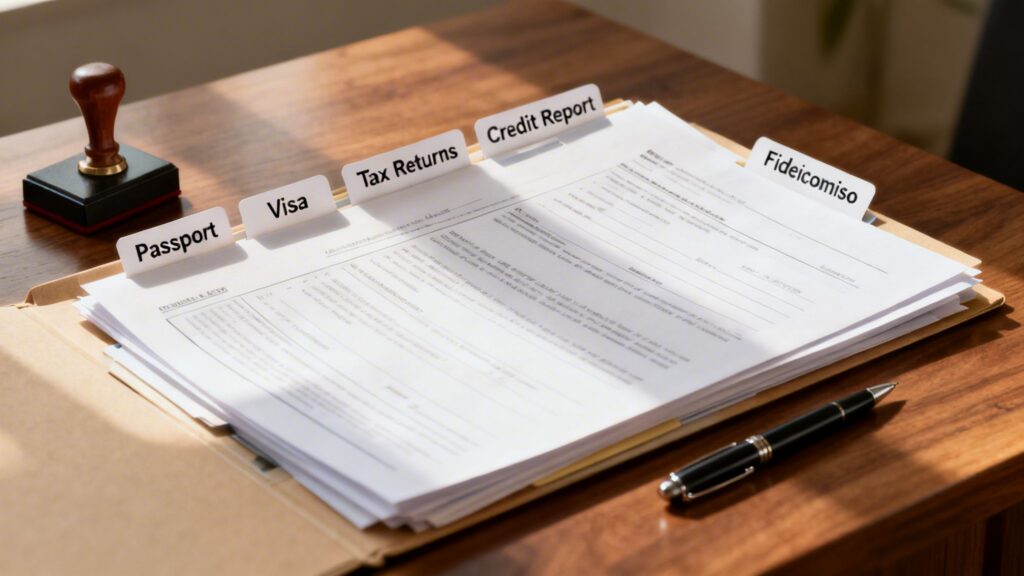
Mortgage approval is usually built around two questions: can you repay the loan, and is the property acceptable collateral? A lender may request tax returns, recent bank statements, pay stubs, proof of employment, investment statements, identification and proof of address. If you are self-employed, the income review can be more detailed. The mortgage application may also require a purchase agreement, appraisal and title documentation. A transparent lending partner should explain which requirements apply before you pay non-refundable fees. Tools such as the MoXi mortgage estimator can help you model a payment, but a mortgage estimator is not an approval. MoXi and other lenders can set different underwriting standards, so compare at least two proposals, including the interest rates, loan terms, currency, prepayment rules and closing timeline. The mortgage process should be mapped from pre-qualification through underwriting, appraisal, legal review and funding so you know which conditions must be satisfied before closing.
Typical document package
- Valid passport and proof of your current address.
- Recent tax returns and evidence of employment or business activity.
- Bank and investment statements that show liquidity and the source of funds.
- Home-country tax identification and, when requested, immigration or residency documents for Mexico.
- Purchase agreement, property details and title information once you have selected a home.
- Translations, apostilles or additional records when the notary, credit institution or legal process requires them.
Down payment, interest rates, loan terms and currency risk
Foreign-buyer financing in Mexico often requires a larger down payment than buyers expect from a primary-home mortgage in the U.S. or Canada, but the percentage is program-specific. The same is true for interest rates: there is no responsible single rate to quote for every Mexico mortgage because pricing changes with the lender, currency, term, credit profile, leverage and property. Ask whether the mortgage interest is fixed or variable, what the effective cost is after fees, and whether the installment is in dollars or Mexican pesos. If your income is in USD or CAD and your obligation is in pesos, or the reverse, currency risk becomes part of the decision. Before comparing a low headline rate, calculate the full financing cost and stress-test the monthly income needed if exchange rates move against you. If you may refinance later, ask whether the product permits it without unusual penalties and whether a future refinance would require a new appraisal, legal review or trust-related documentation.
Buying property in Mexico as a foreigner: restricted zones, Article 27 and the fideicomiso
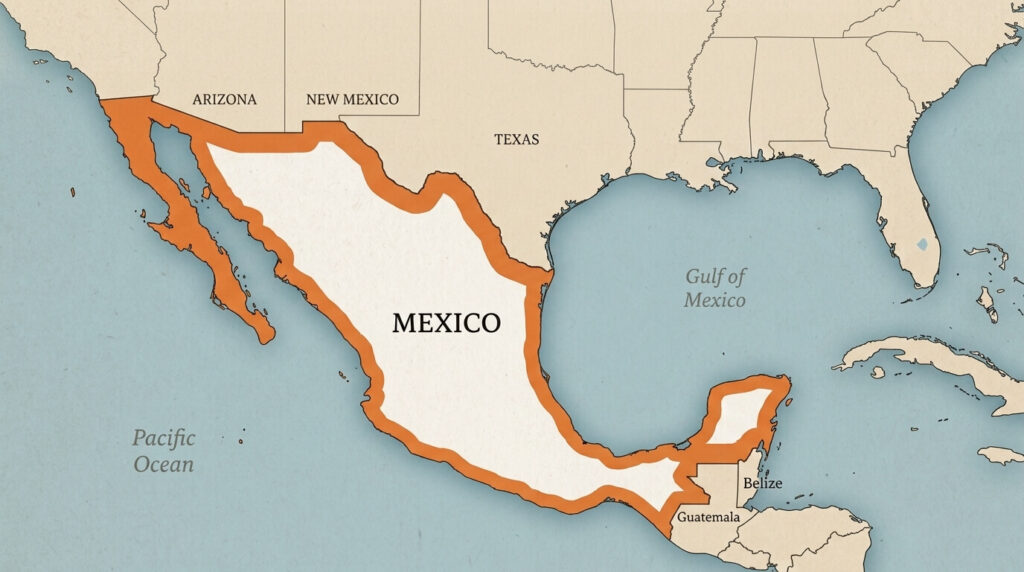
US citizens and Canadians can buy property in Mexico; dual citizenship is not a general requirement. The legal structure depends heavily on location. Under Article 27, Mexico’s restricted zone covers land within 100 kilometers of international borders and 50 kilometers of the coastline. For residential property in that zone, foreign buyers commonly use a bank trust, or Fideicomiso, through a Mexican credit institution. The SRE explains that the permit allows use and enjoyment of the property for up to 50 years under the trust structure. Outside the restricted zone, the foreign national acquisition permit or waiver process follows a different route. Review the current SRE permit under Article 27 with your notary or attorney because forms, government fees and processing rules can change. Also be cautious with ejido land: communal or agrarian rights are not the same as a regular private title, and a conventional mortgage may not be available until the land has been legally regularized for private ownership.
Residency, RFC and documentation: what foreign buyers should prepare
Mexican residency can affect which bank products and administrative procedures are available, but being a resident is not the same as being a citizen. If you are evaluating temporary or permanent residency, the Instituto Nacional de Migracion is the official starting point. The RFC is Mexico’s federal taxpayer registration number. Whether you need one at a particular stage depends on your tax position, the transaction, the notary and the institutions involved; foreign residents can register with the SAT when they need an RFC. In practice, buyers should prepare a valid passport, evidence of address, marital-status documents when relevant, income records, tax identification from their home country, and any immigration documentation requested. If a Mexican bank asks for a local bank account or Mexican income, confirm that requirement before assuming all bank products work the same way.
Closing costs, title review and the expenses beyond the loan
Financing is only one part of the budget. Closing costs can include acquisition tax, notary fees, appraisal, registration, trust-related fees in a restricted zone, title or legal review, lender fees and other state-specific charges. A market guide published by Frank Ruiz Realty Group uses a broad 5%–10% planning range, but that is not a universal tariff; actual fees depend on the state, property value and transaction structure. Ask for a written estimate before closing and separate government charges from lender or service-provider fees. Your notary should also verify title, liens and the seller’s authority to transfer the property. If rental income is part of your plan, discuss Mexican tax obligations with a qualified adviser. Likewise, capital gains tax rules matter when you eventually sell, so keep invoices, closing documentation and proof of improvements from the beginning. Also confirm recurring property taxes, condominium dues and trust administration charges where applicable; they affect the long-term ownership budget even though they are not part of the original purchase price.

A practical checklist before you make an offer
Before you sign a purchase agreement, get clear on both the home and the financing. Start with pre-qualification, then verify that the lender will finance the specific residential property you want, not just “property in Mexico” in general. Compare the lender’s fees, the down payment, the monthly amount, currency, insurance requirements, appraisal process and expected closing. Confirm whether the property is inside the restricted zone, whether a trust is required, and whether the title is private and mortgageable. If you are considering developer financing, ask what happens if construction is delayed. If you are comparing seller financing or private lending with a bank, have the documents reviewed by a Mexican attorney and notary before funds move. Finally, keep a contingency reserve; a purchase abroad works better when your budget has room for fees, exchange-rate movement and unexpected document requests.
Compare offers on the same basis
- Ask whether the credit is denominated in USD, CAD or Mexican pesos.
- Request the full annualized cost or equivalent disclosure, not only the headline interest rate.
- Confirm whether the rate is fixed, variable or adjustable and how prepayment works.
- Separate origination, appraisal, legal, trust, insurance and government charges.
- Verify the maximum term, minimum equity contribution and whether a balloon balance remains.
- Ask how the provider treats self-employment, retirement income, investment income and rental income.
- Confirm that the exact property type, state and ownership structure are eligible before paying major fees.
- Build a timeline that includes underwriting, appraisal, title review, trust or permit work and closing.
Key Takeaways
- A standard U.S. or Canadian home loan usually does not transfer automatically to Mexican real estate; specialized cross-border financing may be required.
- Foreign buyers can compare cross-border lenders, a Mexican bank mortgage, developer financing, seller financing, private lending, home equity and cash.
- Down payment, interest rates and loan terms vary widely, so compare total cost rather than only the monthly payment.
- Restricted-zone property normally requires a Fideicomiso, while property outside the zone follows a different Article 27 process.
- Residency and RFC requirements depend on the lender, tax situation and transaction; verify them with the relevant Mexican institutions and professionals.
- Title diligence, closing costs, taxes and currency risk should be evaluated before you commit to a loan or sign a purchase agreement.
Conclusion: choosing the right financing for a home in Mexico

Can I get a mortgage from a US lender for a home in Mexico? The practical answer is that you may be able to finance the purchase, but you should expect a cross-border process rather than a copy of a domestic U.S. or Canadian mortgage. Compare at least two lenders, understand the legal structure for the exact property, and model the purchase in the currency in which you actually earn and spend. Coldwell Banker Mexico can help you evaluate suitable property options and coordinate the real estate side of the transaction while your lender, notary, attorney and tax advisers confirm the credit, legal and fiscal details. As a next step, ask for a property shortlist and a financing-readiness checklist before you travel, wire funds or sign an offer.
Frequently asked questions about mortgages and buying property in Mexico
How to get a mortgage loan in Mexico from the USA?
Start by choosing whether you need a cross-border lender or a Mexican bank mortgage. A cross-border provider may evaluate U.S. income, credit history and bank statements, while a Mexican bank can apply local residency, account or documentation rules. Get pre-qualified before making an offer, confirm the property is eligible collateral, compare the down payment and interest rates, and have the purchase and security documents reviewed in Mexico before closing.
Is it hard for an American to buy a house in Mexico?
It is possible for an American to buy a house in Mexico, but the process is different from a U.S. transaction. The biggest variables are location, title, financing and the legal structure. Property in the restricted zone generally uses a Fideicomiso, while property outside that zone follows the Article 27 acquisition process. Working with a qualified real estate adviser, notary and attorney can make the purchase more predictable and help identify title or permit issues early.
What is the interest rate for a mortgage in Mexico?
There is no single mortgage interest rate for foreign buyers in Mexico. Rates depend on the lender, currency, loan term, credit profile, down payment, income documentation and property. A Mexican bank may price a peso mortgage differently from a cross-border USD loan. Instead of relying on an advertised rate, request a current written quote that includes fees, insurance, prepayment conditions and the effective payment schedule so you can compare the full financing cost.
What is the typical down payment for a house in Mexico?
The down payment varies by lender and buyer profile, and foreign-buyer programs can require more equity than a typical primary-home loan in the U.S. or Canada. Rather than assume one percentage, ask each lender for its maximum loan-to-value on the specific property and location. Also keep separate funds for closing costs, appraisal, trust expenses when applicable, taxes and a contingency reserve, because those costs may not be included in the mortgage.
Can US citizens get a mortgage in Mexico?
Yes. US citizens can obtain financing for eligible property in Mexico through certain cross-border lenders and, when they meet the requirements, Mexican banks. Approval is not automatic: lenders review income, credit, assets, down payment, property title and legal structure. Some programs are designed specifically for foreign buyers and can document U.S. income, while other lenders may expect Mexican residency, local banking history or income in Mexico.
How do I qualify for a mortgage in Mexico?
Qualification normally combines borrower underwriting and property review. Expect to document identity, address, income, tax returns, bank statements, employment or business activity, assets and the source of the down payment. The lender may also order an appraisal and verify title. Requirements differ for foreign income, local income and self-employed borrowers. Ask for a checklist before applying and avoid paying major non-refundable fees until you understand the approval conditions.
What types of mortgages are available in Mexico?
Depending on your profile, options can include a Mexican bank mortgage, a specialist cross-border mortgage, certain USD loans, peso mortgages, developer financing and private or seller financing. Some buyers instead use home equity in the U.S. or Canada and make a cash purchase in Mexico. Each option changes the currency exposure, documentation, lien structure, term and closing process, so the right choice depends on where your income is earned and how long you plan to hold the property.
How much do you need for a down payment for a Mexico mortgage?
There is no universal down payment for a Mexico mortgage. The lender sets it based on the loan program, property, borrower profile, currency and risk. A specialist foreign-buyer loan may have a different requirement from a Mexican bank or developer plan. Ask for the loan-to-value in writing and calculate the cash needed for the payment plus closing expenses. This keeps you from using all available cash for the purchase price and then being short at closing.
Do I need dual citizenship to buy property in Mexico?
No. Dual citizenship is not a general requirement for a foreigner to buy real estate in Mexico. The important issue is the property’s location and the legal process that applies. In the restricted zone near coasts and international borders, a foreign buyer typically holds residential property through a Fideicomiso. Outside that zone, foreign buyers follow the applicable Article 27 procedure. Immigration status and documentation can still matter for permits, banking and tax administration.
What is the RFC and do I need one to buy property in Mexico?
The RFC is Mexico’s federal taxpayer registration number. Whether you need one during a property purchase depends on the transaction, your tax obligations, the notary and the lender or bank involved. The SAT allows foreign individuals to register when they require an RFC, and documentation can include immigration and foreign tax-identification records. Ask your notary and tax adviser early, especially if you plan to rent the property, earn Mexican income or later sell it.